


Our Research
Our Research
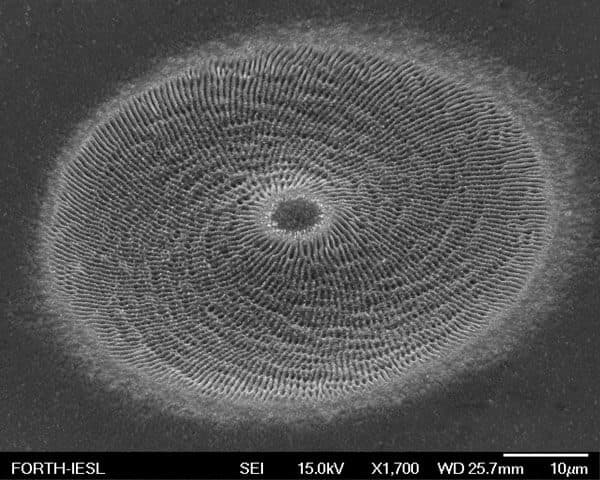
Ultrafast Laser Processing of Materials Activities-challenges: Bio-inspired surface modification and functionalization of solid surfaces via ultrashort laser pulses in various types of materials (i.e. semiconductors, metals, dielectrics, polymers), investigation of surface micro/nano structure role on wetting, optical, and tribological applications. Control of surface morphology with shaped ultrashort double pulses. Development of laser induced metasurfaces and investigation…
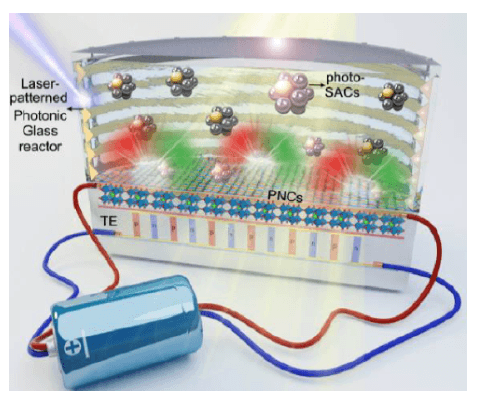
Objective: This research topic aims at the development of advanced composite glasses for state-of-the-art optoelectronic applications by means of simplified novel fabrication synthesis procedures. Abstract: Over the years, the importance of inorganic oxide glasses in various fields of optoelectronics, photonics and solid state electrochemical technological applications has been demonstrated. A continuous scientific challenge lies in…
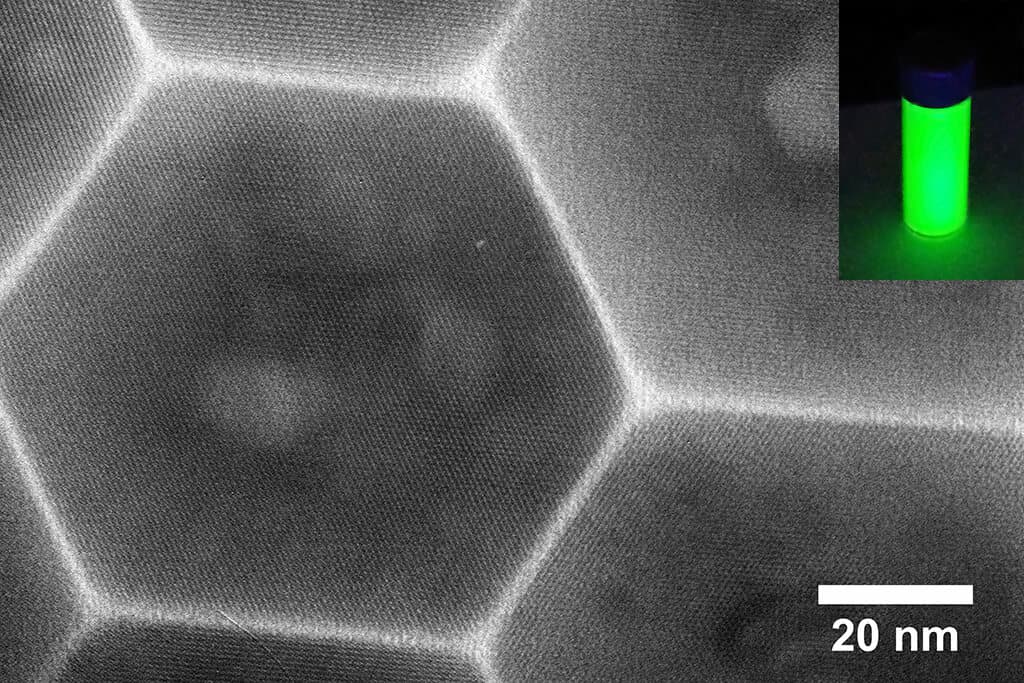
Synthesis of perovskite nanocrystals and related applications The high demand for smart and portable devices in everyday life activities creates a great need for energy supply and sensors, are driving the scientific community to explore novel materials for efficient energy conversion, storage and sensing elements. Perovskites, a prominent category of materials, including metal halides and…
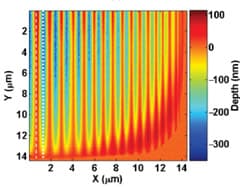
Ultrafast Laser Processing Modelling Activities-challenges: Although surface patterning has been previously investigated upon irradiation with ultrashort pulses in ablation conditions, physics fundamentals of surface modification and a novel surface patterning mechanism for ultrashort pulses have never been addressed in conditions near evaporation (sub-ablation). More specifically, we suggested a new physical mechanism that governs surface patterning formation…
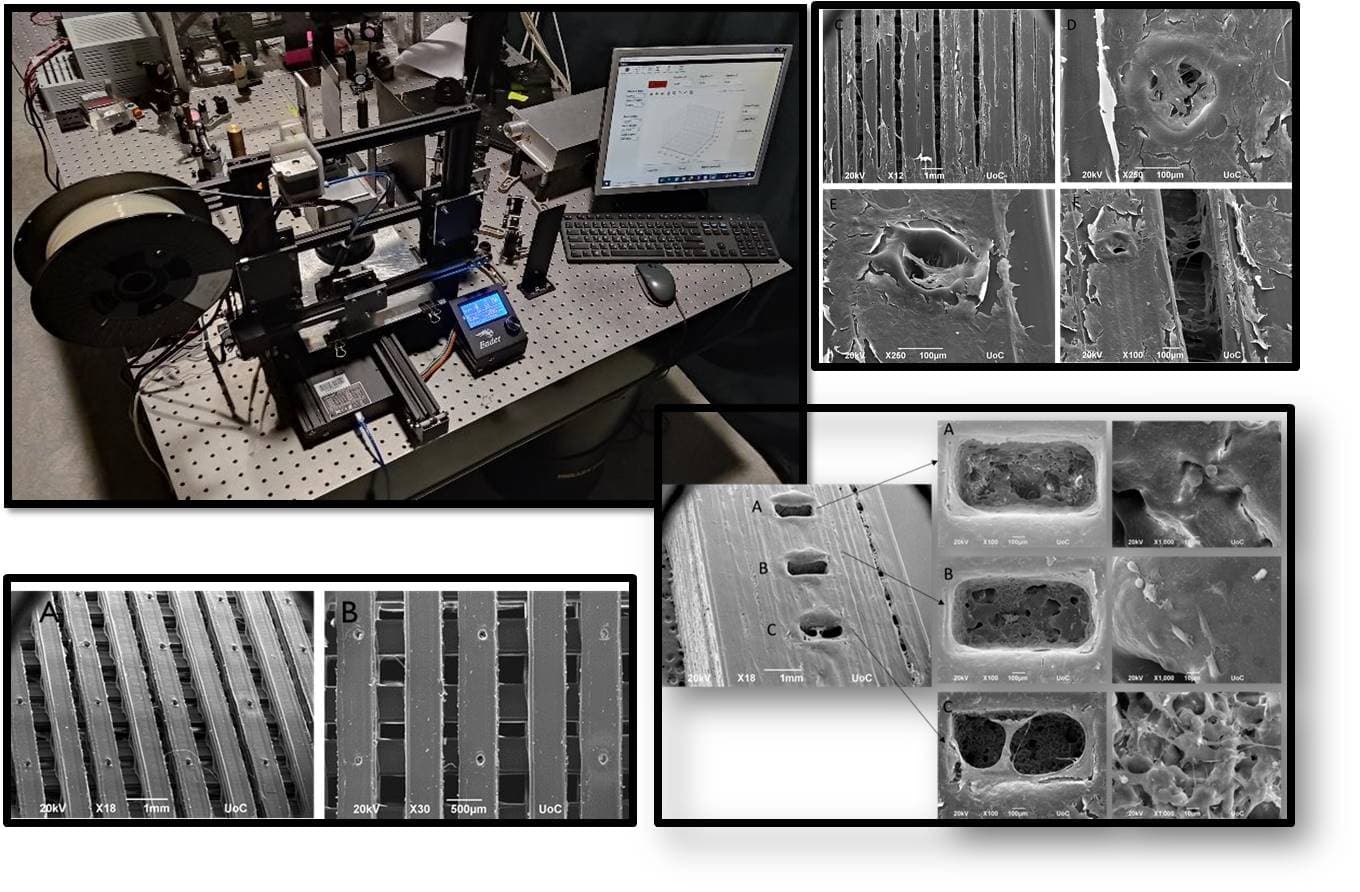
Description The use of additive manufacturing especially fused filament fabrication (FFF) 3D printers have been launched in the last decade as it is easy to use and accessible to everyone. It is a common way to alter the surface of the 3D printed scaffold after is printed with subtractive manufacturing techniques. The most well-known subtractive techniques they…
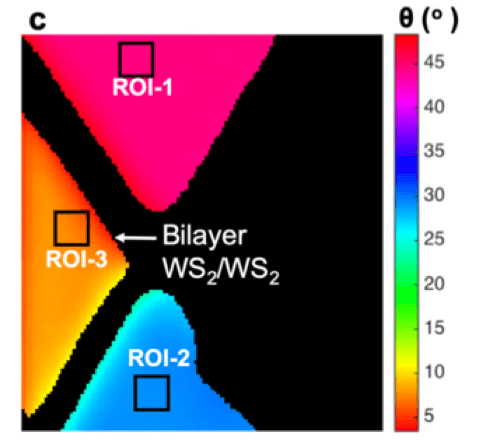
Two-photon photoluminescence (2PL), polarization-resolved second-harmonic generation (P-SHG) and polarization-resolved third-harmonic generation (P-THG) imaging microscopy of non-linear materials. The goal of the project is to employ 2PL imaging and precise polarization measurements of SHG, and THG signal and interpret the produced signals in order to gain further physical insight into nanomaterials (e.g. the graphene or the…