

Emmanuel Stratakis
Group Leader
Welcome to the Stratakis Lab
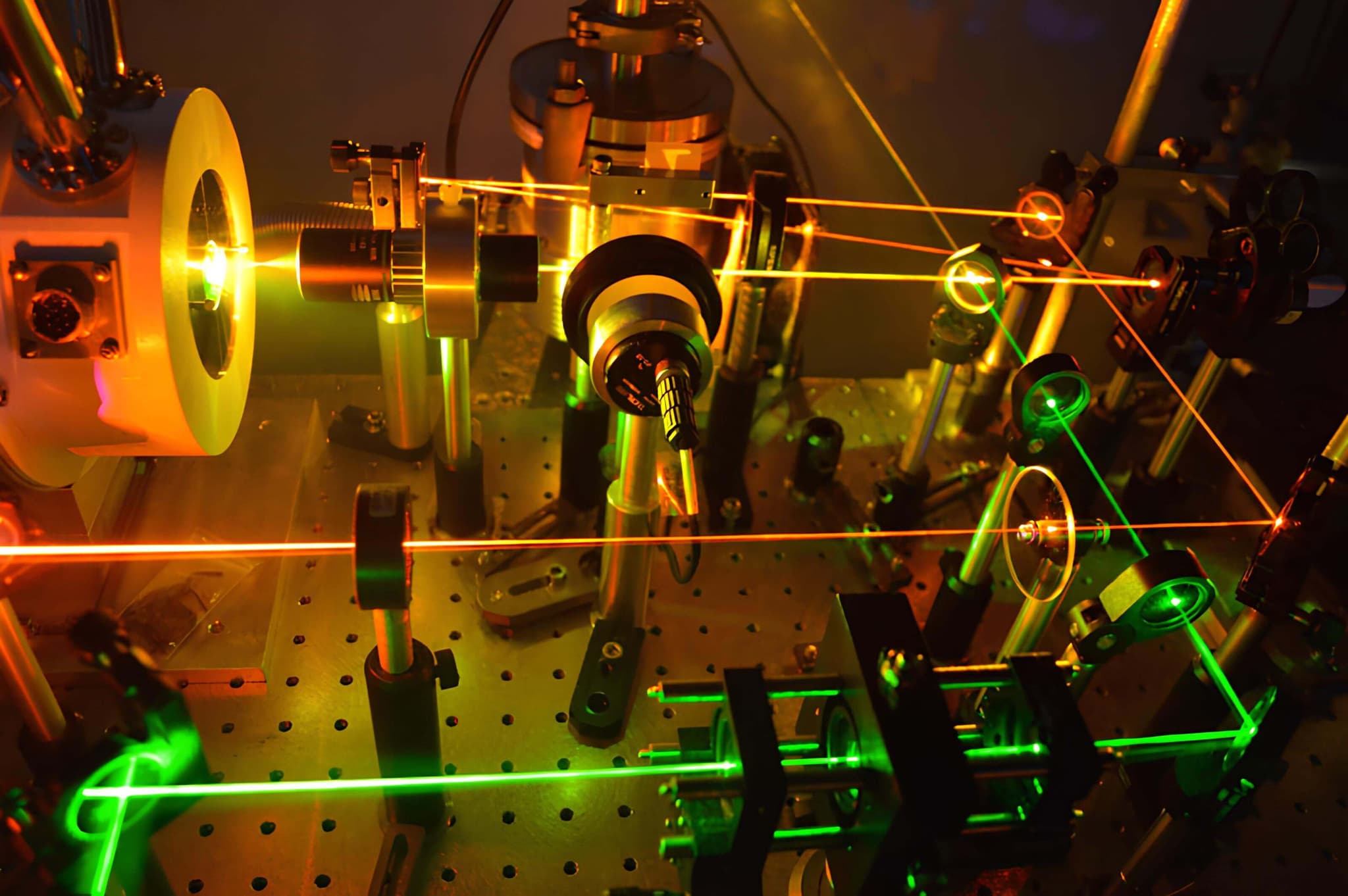
The Stratakis Lab specializes in ultrafast laser micro and nano processing, harnessing ultrashort laser pulses to revolutionize material structuring, synthesis, and functionalization. Our work drives innovation in photonics, enabling breakthroughs across diverse scientific and industrial applications.
From biomimetic structures that mimic nature’s efficiency to tissue engineering scaffolds that support medical breakthroughs, we explore the untapped potential of laser technology. Our work also extends to sustainable energy solutions, advanced optoelectronics, and state-of-the-art diagnostic tools. By blending multidisciplinary expertise with a commitment to real-world impact, we aim to transform bold ideas into practical technologies that address critical global challenges and redefine the possibilities of modern science.
Group Leader

University Faculty member

Post Doc

Post Doc

Post Doc

Post Doc

Post Doc

Post Doc

Post Doc
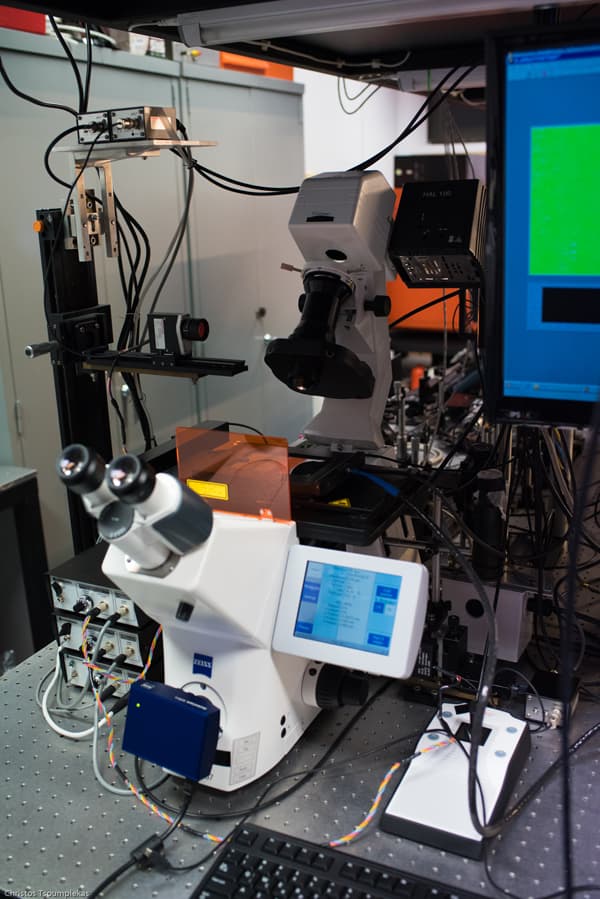
Nonlinear Microscopy (Ultrafast 76Mhz, 1026nm excitation wavelength)
Polarized Second Harmonic Generation (PSHG) in transmission and reflection mode
2 objective lenses (40x, 1.3NA & 20x 0.8NA)
Fully motorized stage (including incubator for biological samples)
Hamamatsu PMTs
Galvanometric mirrors (Cambridge technology)
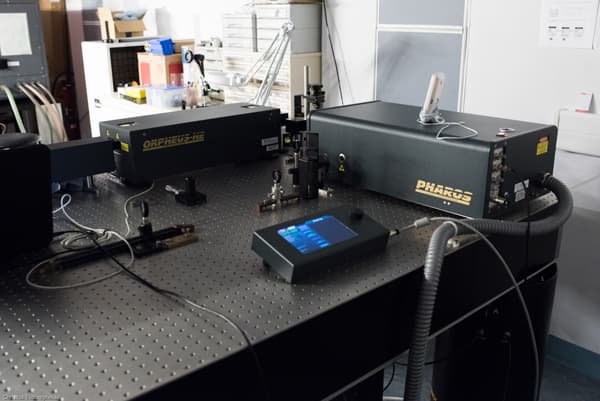
1.5mJ pulse energy
1026nm, tunable repetition rate from 1kHz to 200kHz & tunable pulse duration from 175fs to 10ps
513nm, tunable repetition rate from 60kHz to 200kHz & tunable pulse duration from 175fs to 10ps
Ent1026nm, 76MHz, 70fs, oscillator laserry
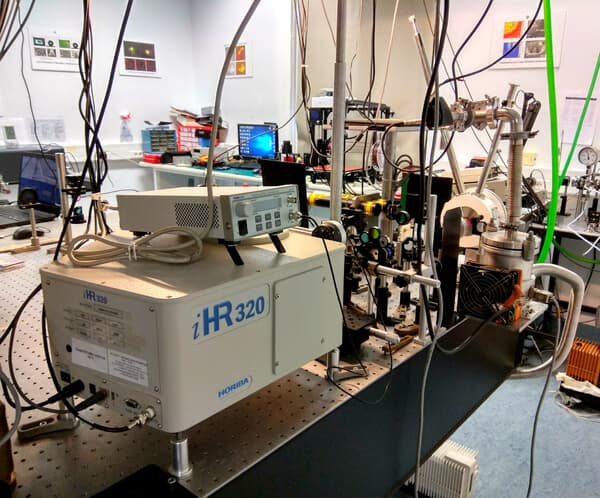
μPL spectroscopy (543nm, 594nm excitation wavelengths)
Differential reflectivity (supercontinuum 350nm-1000nm)
μRaman spectroscopy (473nm excitation wavelength)
Valley polarization (594nm excitation wavelength)
78K to 340K temperature window (Janis ST-500 cryostat)
Spectroscopy in controlled atmosphere (10-5mbar vacuum, He, N2, O2)
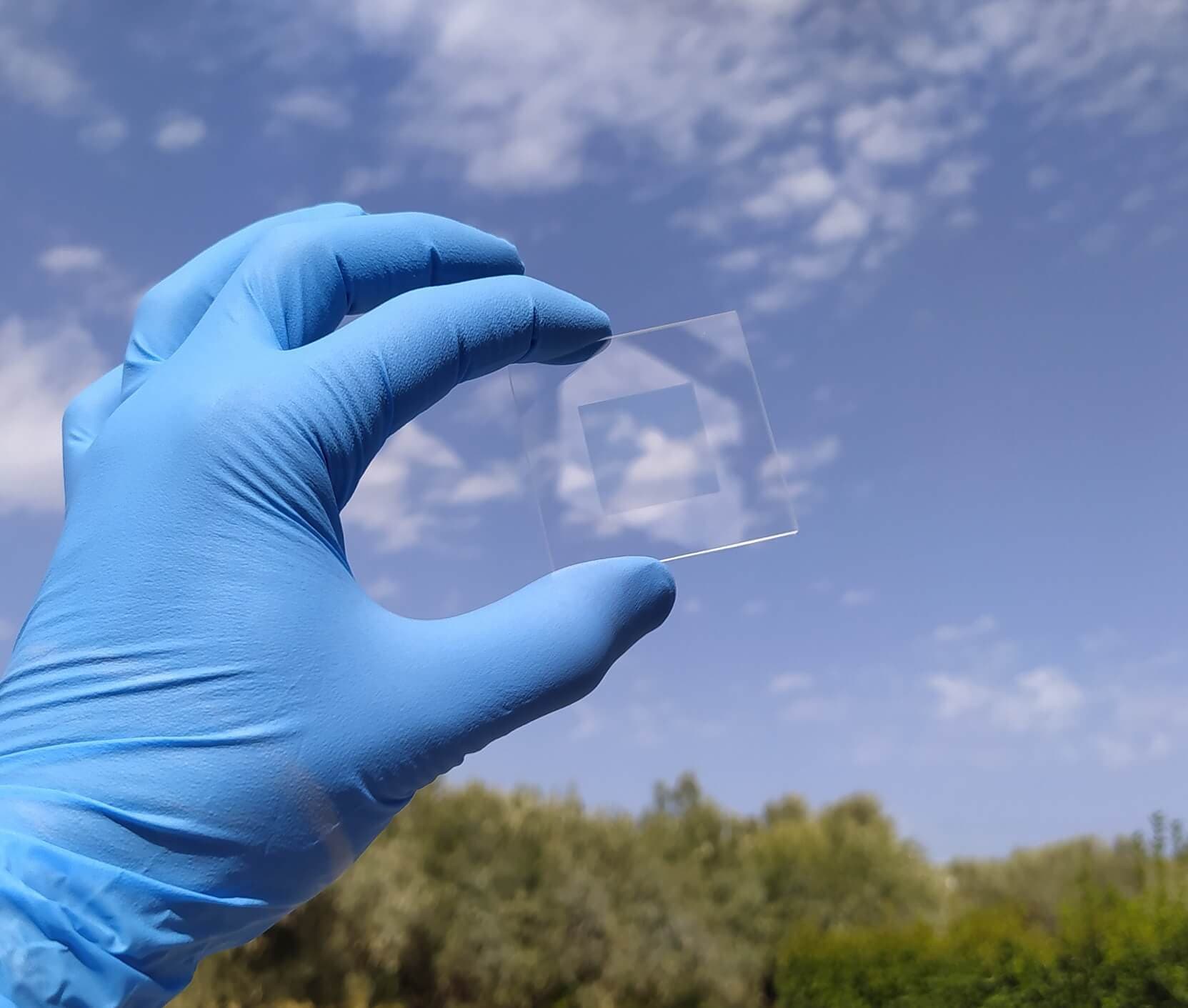
Biomimetic, a spin-off of the lab, brings our laser nano-texturing of glass to industry. Inspired by nature, its surfaces combine anti-reflective, anti-glare, anti-fogging and super-hydrophilic properties. The green laser process needs no harmful chemicals, unlike other nanotexturing techniques, which makes it a clean choice for a wide range of applications.
Read about Biomimetic